A Healthier Home for Pets Starts With Humidity Control
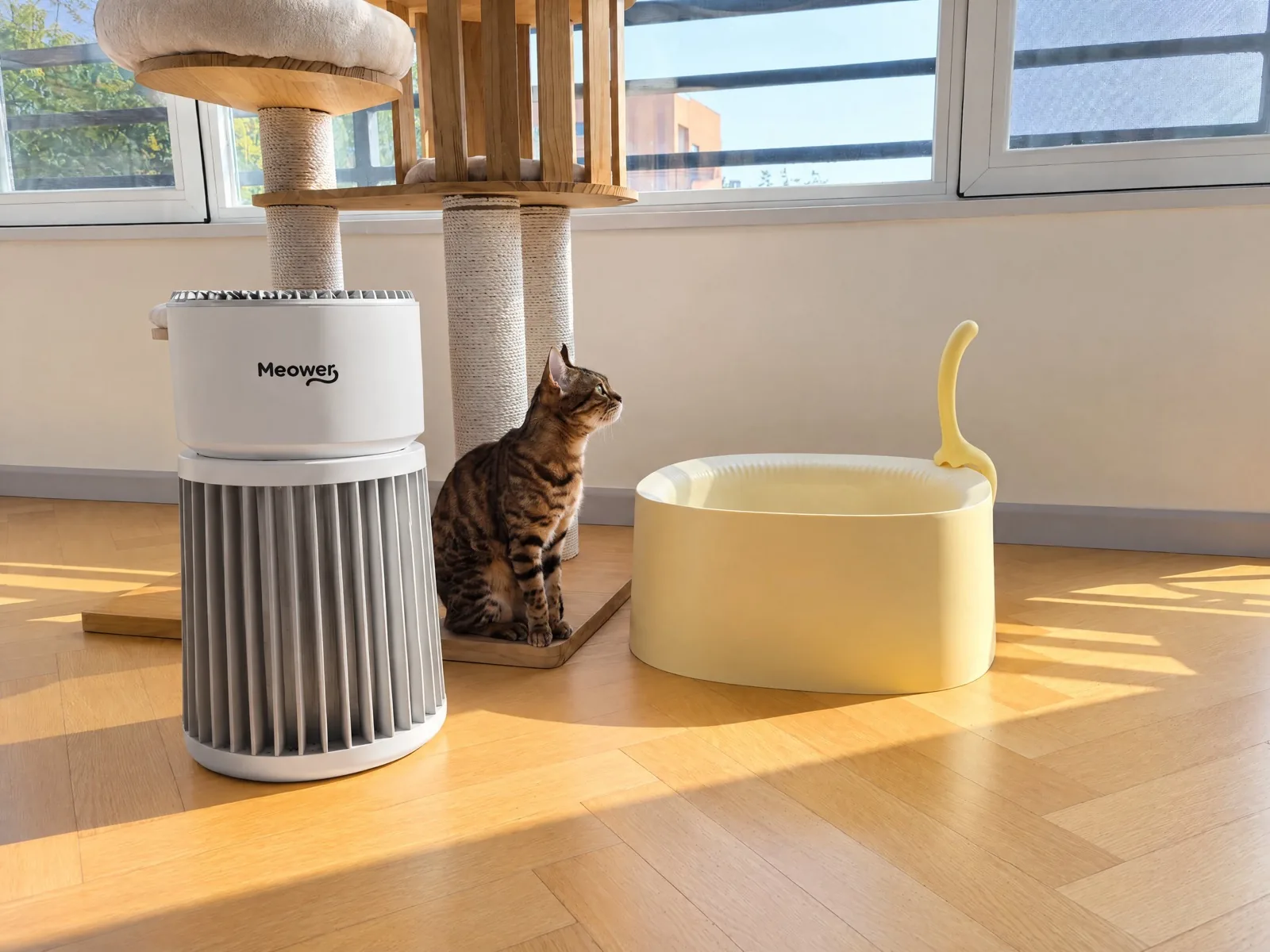
Cats and dogs breathe the same indoor air we do, but they also spend more time close to carpets, floors, pet beds and soft furnishings where dust and moisture can collect. A damp home can affect their comfort, breathing, skin, coat and bedding.
High humidity creates conditions that encourage mold, dust mites, bacteria and unpleasant odors. It may not act like a single toxic pollutant, but it can make other indoor triggers more persistent.
A Combined Air-Care Approach
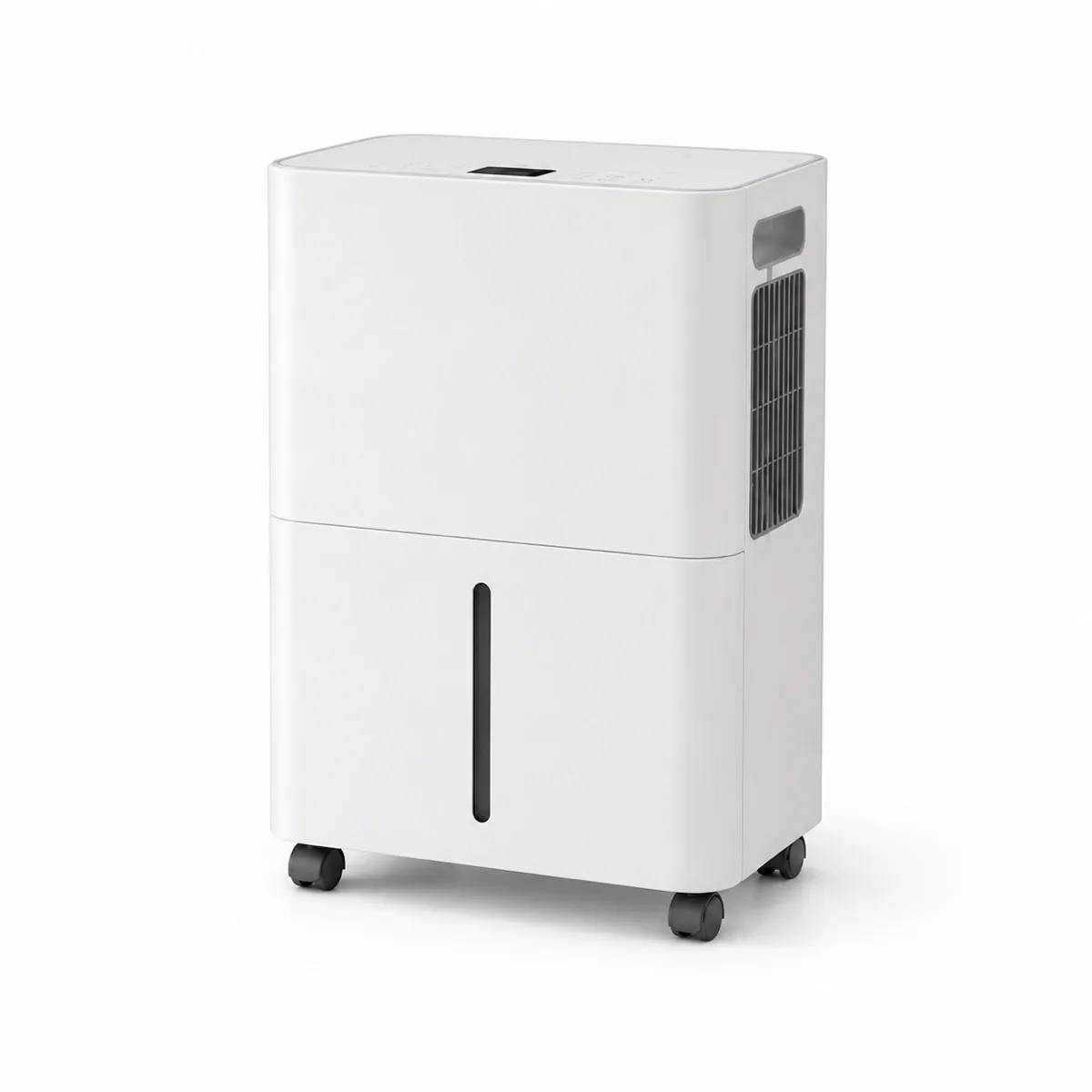
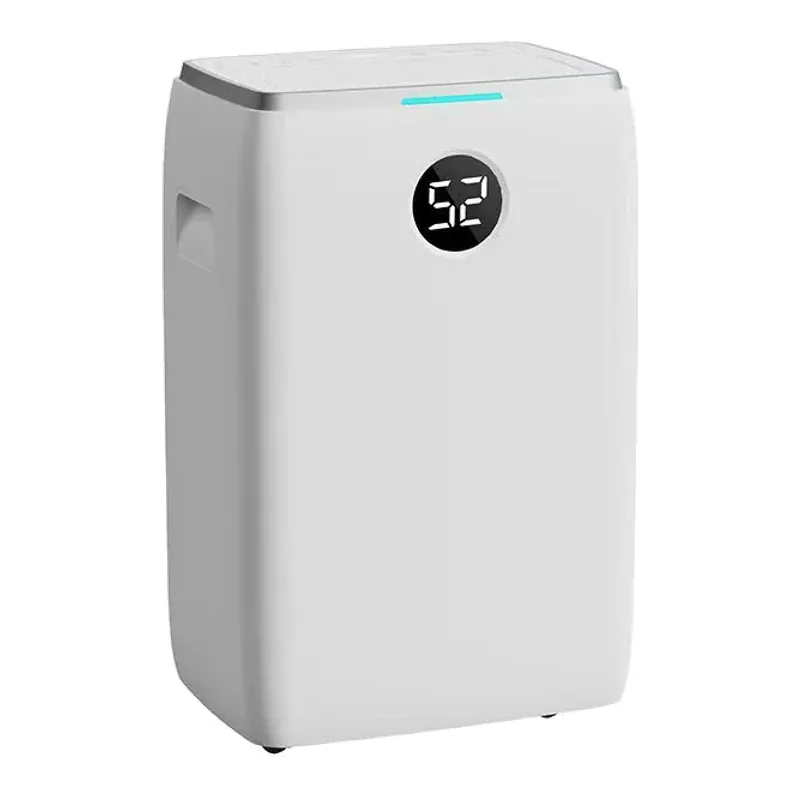
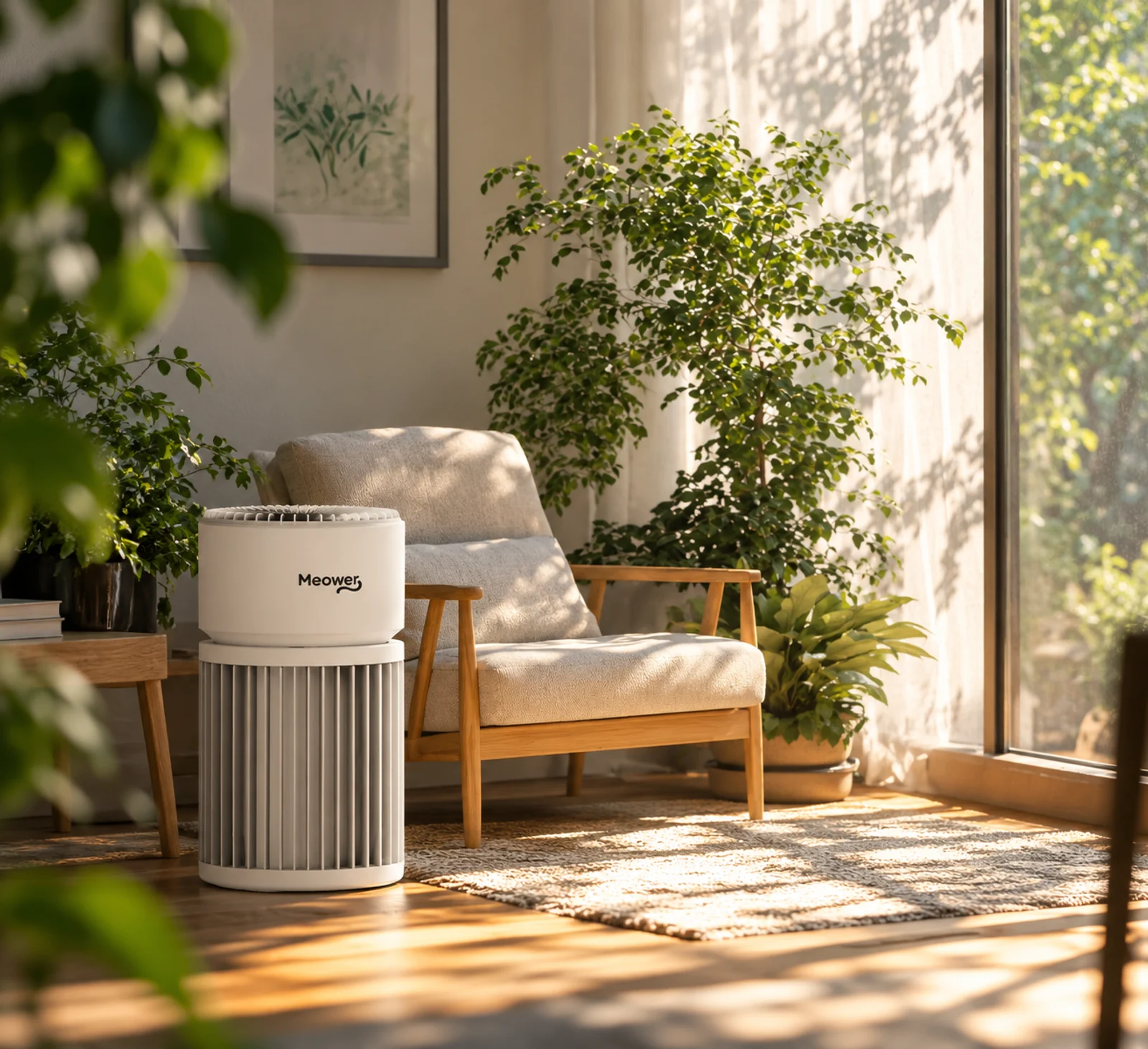
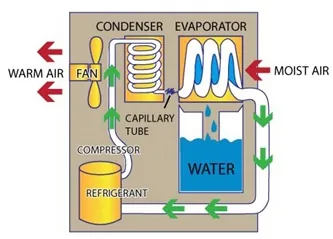
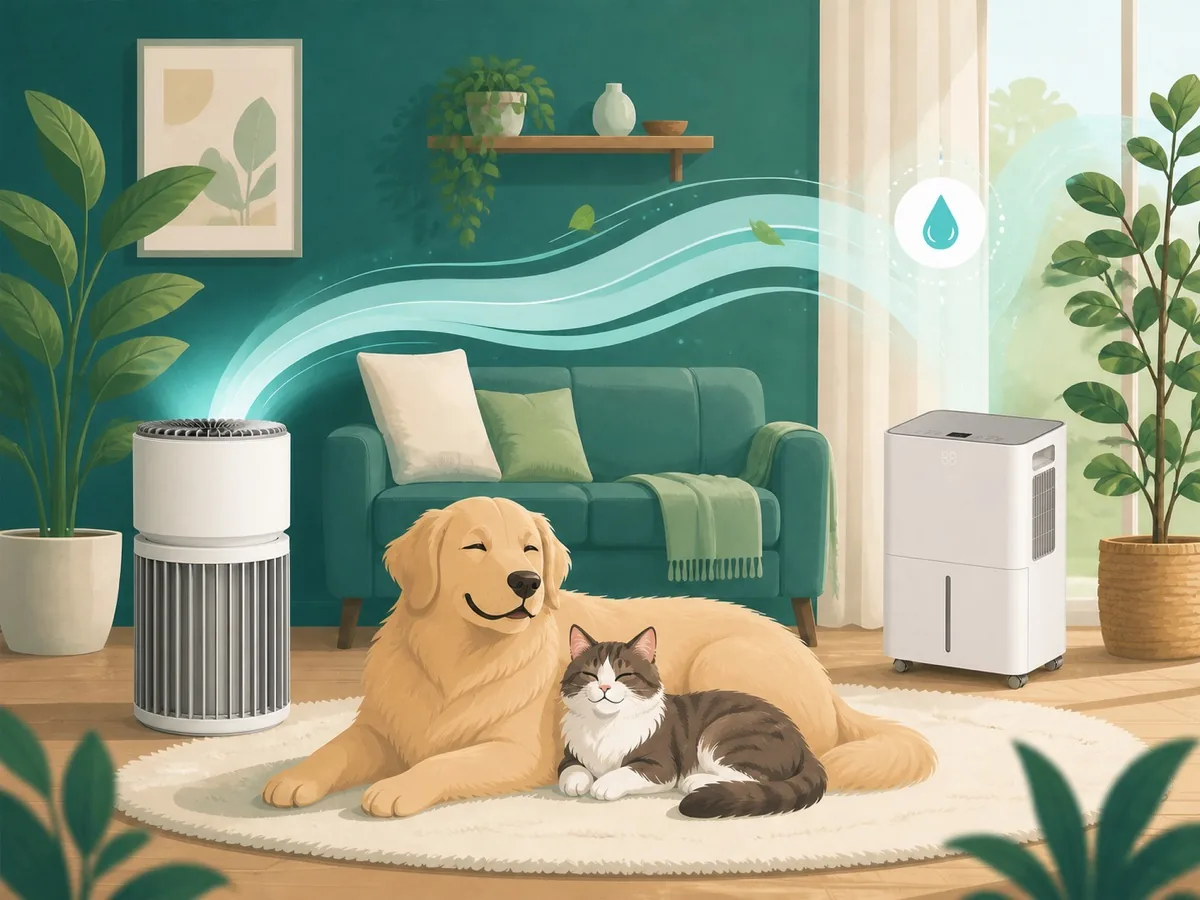
A dehumidifier helps reduce excess moisture, while an air purifier helps capture airborne particles such as pet dander, dust and allergens. Together with regular cleaning and ventilation, they can support a fresher, more comfortable home for pets.
Temperature is the other half of that comfort picture. Cats pick a sleeping spot by warmth and cover, not by humidity alone, which is why the coldest corner of the house is never the one they use — why your cat won’t sleep in its bed covers getting that right through winter.