
Beyond Comfort: Why Humidity Control Is the Missing Link in Indoor Air Quality
Preview
We diligently track PM2.5, pollen, and volatile organic compounds (VOCs), investing heavily in air purifiers to clean our indoor environments. Yet, we often overlook a pervasive but less visible risk factor: uncontrolled relative humidity (RH).
Moisture is more than a matter of feeling “sticky” or “dry.” Excess moisture is a critical enabling condition for mold growth and can also create a more favorable environment for dust mites and other biological allergens.
This article deconstructs the scientific link between moisture and mold, explaining how effective humidity management-combined with source control, ventilation, air filtration, and proper remediation-can reduce a major indoor air quality risk and support a healthier indoor environment.
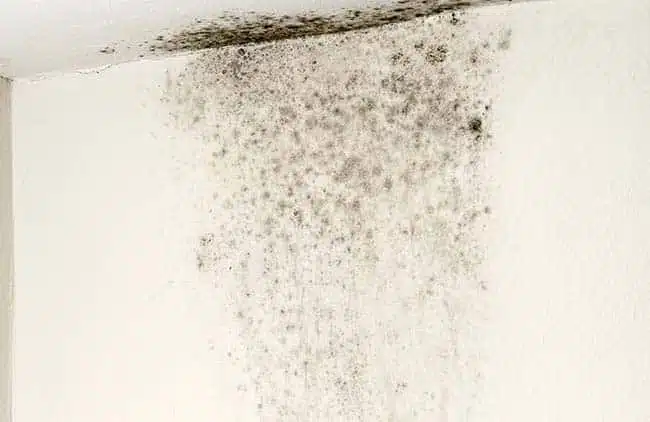
The Mold Growth Equation-and the Variable We Can Control
When discussing Indoor Air Quality (IAQ), mold is a persistent and potentially harmful adversary. Mold spores exist naturally in almost every environment, floating invisibly through the air.
A mold problem develops when these spores encounter sufficient moisture, a suitable temperature, and a nutrient-containing surface-such as drywall, wood, carpet, fabric, or accumulated dust-for a long enough period.
In our homes and offices, suitable temperatures and organic materials are difficult to eliminate completely. Mold spores themselves are also nearly impossible to remove entirely from indoor air.
Therefore, controlling moisture is the most practical way to interrupt the mold-growth cycle before colonization begins. This includes repairing leaks, preventing water intrusion, limiting condensation, drying wet materials promptly, improving ventilation, and managing indoor relative humidity.
The 60% Risk Zone and the 30%-50% Target Range
Many property owners only realize they have a humidity problem when they notice a musty odor in the basement or visible dark patches in corners. In reality, moisture-related damage can begin long before it becomes visible.
When indoor RH remains above 60% for extended periods, the risk of condensation and mold growth generally increases-particularly on cold walls, windows, poorly ventilated surfaces, and areas behind furniture. However, 60% is not a universal on/off switch. Actual mold growth also depends on surface temperature, material, airflow, and how long the damp conditions persist.
The U.S. Environmental Protection Agency recommends keeping indoor relative humidity below 60% and, where practical, within the 30%-50% range. For homes concerned about mold exposure or respiratory sensitivity, maintaining RH at or below approximately 50% provides an additional margin of protection.
Within this target range:
- The likelihood of new mold growth is reduced because surfaces are less likely to remain damp. However, lowering RH alone will not remove established mold; existing growth must still be cleaned or remediated, and the underlying moisture source must be corrected.
- The environment becomes less favorable for dust mites and other moisture-loving allergens.
- Indoor air often feels less clammy, which may improve perceived comfort even without lowering the room temperature further.
Humidity should not be reduced without limit. Prolonged RH below approximately 30% may contribute to dry eyes, irritated skin and airways, static electricity, and damage to certain wooden materials. The goal is balanced humidity-not simply the lowest possible reading.
How to Handle Existing Mold Safely and Effectively
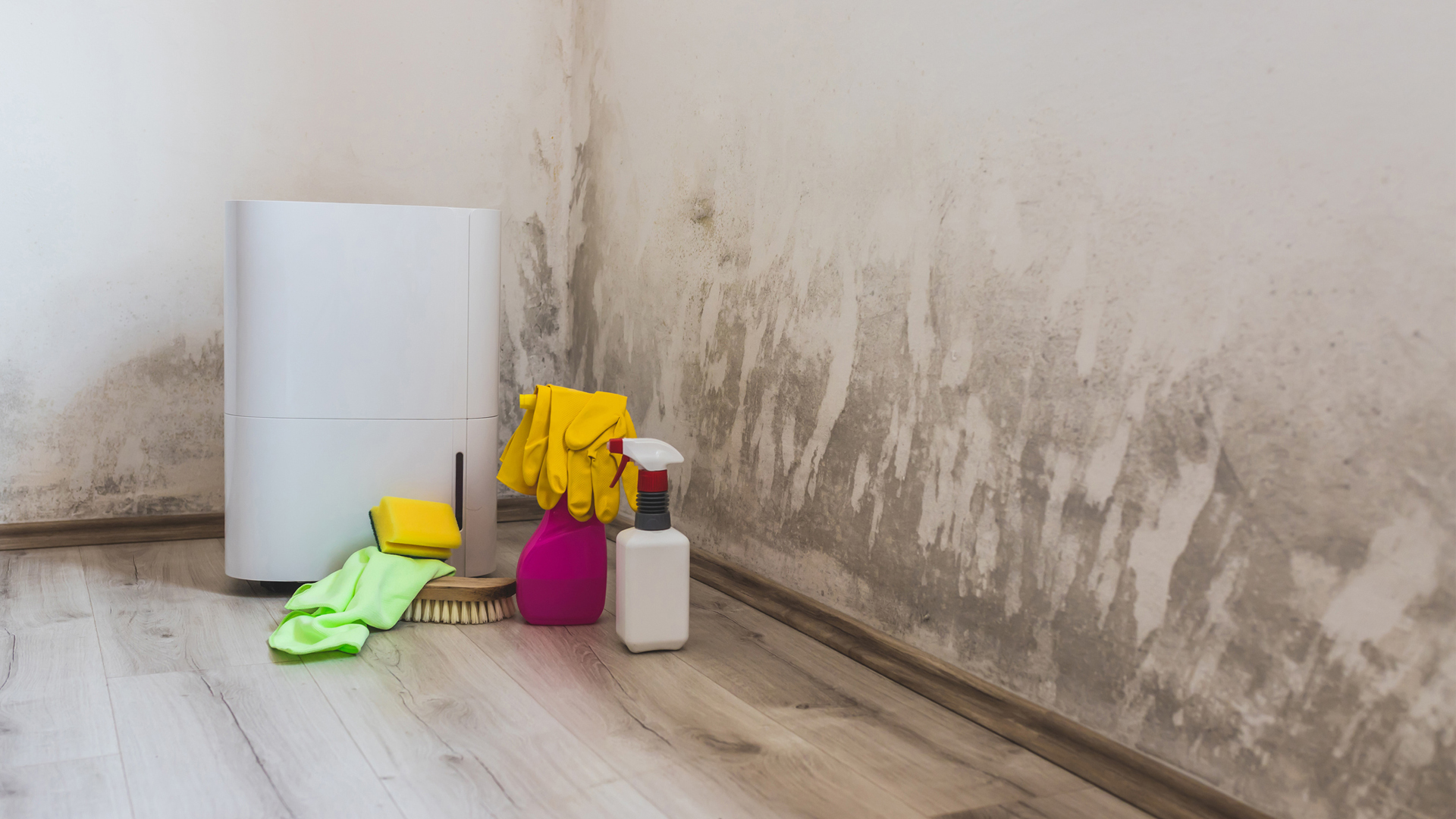
While humidity control helps prevent mold growth, existing mold requires direct action. Ignoring visible mold or persistent musty odors can allow contamination to spread and worsen indoor air quality.
Step 1: Identify and Eliminate the Moisture Source
Before cleaning, it is essential to address the root cause:
- Repair leaks in roofs, pipes, or foundations
- Improve drainage around the building
- Fix condensation issues on windows or walls
- Increase ventilation in bathrooms, kitchens, and laundry areas
Without solving the moisture problem, mold will likely return even after cleaning.
Step 2: Assess the Size and Severity
- Small areas (generally less than about 1 square meter / 10 square feet): Often manageable with careful DIY cleaning
- Larger areas or hidden mold (inside walls, HVAC systems): Typically require professional remediation
If occupants have asthma, allergies, or weakened immune systems, professional assessment is strongly recommended even for smaller areas.
Step 3: Clean or Remove Contaminated Materials
- Non-porous surfaces (tile, glass, metal): Can usually be cleaned with detergent and water, followed by thorough drying
- Semi-porous materials (wood): May require deeper cleaning and drying
- Porous materials (drywall, insulation, carpet): Often need to be removed and replaced if mold growth is extensive
Bleach is not always necessary and may not penetrate porous materials effectively. The key is physical removal of mold and complete drying.
Step 4: Protect Yourself During Cleanup
When handling mold:
- Wear gloves and eye protection
- Use an appropriate mask (such as N95 or equivalent)
- Avoid disturbing mold excessively, which can release spores into the air
- Isolate the affected area if possible to prevent cross-contamination
Step 5: Dry the Area Thoroughly
After cleaning:
- Use fans, ventilation, or a dehumidifier to dry the area quickly
- Ensure materials are completely dry within 24-48 hours when possible
Residual moisture can allow mold to regrow even after cleaning.
Step 6: Maintain Preventive Conditions
Once remediation is complete:
- Keep indoor RH within the 30%-50% range
- Monitor humidity with a hygrometer
- Continue using ventilation and dehumidification as needed
Long-term prevention depends on maintaining a stable, dry indoor environment.
Why Air Conditioning May Not Be Enough for Humidity Control
A common misconception is that an air-conditioning unit always provides sufficient humidity control because it collects condensation while cooling.
Air conditioners do remove moisture as part of the cooling process, and a properly sized and properly operated system may manage both temperature and humidity effectively. However, most conventional systems are primarily controlled by temperature rather than RH.
Once the room reaches its target temperature, the compressor shuts off. An oversized system may also cool the room too quickly and “short-cycle,” leaving insufficient operating time to remove moisture. During rainy periods, mild but humid weather, overnight hours, or transitional seasons, indoor temperatures may remain comfortable while RH stays elevated.
A dedicated dehumidifier is engineered specifically for moisture extraction. Equipped with a humidistat, it monitors RH and operates according to the selected humidity target.
In a typical compressor-based dehumidifier, a fan pulls humid air across a cold evaporator coil. Water vapor condenses into liquid water and is collected in a tank or discharged through a drain. The dried air then passes across a warmer condenser coil before returning to the room, which is why the exhaust air normally feels slightly warmer.
This process allows a dehumidifier to control moisture independently of the room’s cooling demand. However, a dehumidifier should not be treated as a substitute for repairing leaks, stopping groundwater intrusion, improving bathroom or kitchen ventilation, or correcting serious building-envelope problems.
Conclusion
A properly sized and energy-efficient dehumidifier is far more than an appliance that “collects water.” It can be an important pillar of a complete indoor air health strategy.
By maintaining indoor RH generally within the 30%-50% target range and avoiding prolonged periods above 60%, you reduce the conditions that support mold growth and moisture-loving allergens, help protect building materials, and make your broader ventilation and filtration strategy more effective.
Where visible mold, persistent musty odors, water stains, or recurring condensation are already present, humidity control must be combined with proper cleaning, material removal when necessary, and correction of the underlying moisture source.
The objective is not simply drier air. It is a stable, balanced indoor microclimate in which moisture-related pollutants are far less likely to develop-and where existing contamination is properly addressed rather than allowed to persist.